
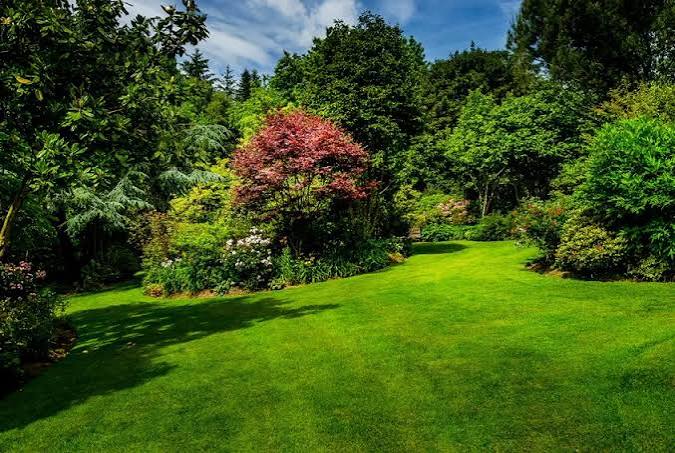
Complete Spring Yard Cleanup Checklist
Everything homeowners in Central Jersey need to prepare their property for a healthy, beautiful growing season.
Cleanup

Winter leaves a layer of leaves, sticks, and salt-laden debris that smothers turf and invites fungal disease. A clean slate lets sunlight, air, and your fertilizer reach the soil.
Begin once the ground is firm — usually mid-to-late March in Central Jersey. Walking on a saturated lawn compacts soil and tears crowns.
Raking too aggressively while the lawn is still dormant pulls up healthy crowns. Wait for the first green-up before deep raking.
Blow debris from the back of the property toward the curb in one pass — re-doing zones doubles your time.
Remove leaves from lawn and landscape beds
EasyDIY 10–30 minPro tip
Use a backpack blower on low to avoid disturbing mulch. Bag leaves for the town's spring pickup or compost them.
Pick up fallen branches and sticks
EasyDIY 15 minPro tip
Anything thicker than your wrist should be inspected for hanging limbs above — a sign a tree needs a professional look.
Remove winter debris (mulch wash-out, road salt, trash)
EasyDIY 20 minPro tip
Rinse salt-burned grass along driveways with deep water to flush sodium below the root zone.
Clean patios and walkways
EasyDIY 30 minPro tip
Sweep first, then a quick rinse. Skip the wire brush on natural stone — it scratches the finish.
Pressure wash outdoor surfaces if necessary
ModerateDIY or Professional 1–3 hrPro tip
Use a 25° tip and keep 12" off pavers. Wrong pressure strips polymeric sand from joints.
Clean storm drains and yard drains
ModerateDIY 30 minPro tip
Lift each grate and check for blockages before April showers. Clogged drains cause 80% of basement leaks we see.
Skip the heavy lifting — get a full property cleanup.
Our crews clear, haul, and edge a typical Central Jersey property in a single day.
Lawn Care
Spring sets the trajectory for the whole growing season. Pre-emergent timing, soil temperature, and feeding all compound — miss the window and you spend summer chasing weeds.
Pre-emergent goes down when soil hits 50–55°F (forsythia in full bloom is the local cue). First fertilizer follows two to three weeks later.
Fertilizing before the lawn greens up wastes nitrogen and feeds weeds. Mowing on frozen or soggy ground rips out crowns.
Sharpen your mower blade before the first cut. A dull blade tears grass, opens disease vectors, and gives the lawn a brown haze within 48 hours.
Rake matted grass
EasyDIY 30 minPro tip
Use a spring tine rake, not a leaf rake. Matted patches are usually snow mold — gently fluff to let them dry.
Repair bare spots
EasyDIY 45 minPro tip
Loosen the top inch, mix seed with starter fertilizer, and keep moist for 14 days. Bare patches before April root in fast.
Aerate compacted lawn
ModerateDIY or Professional 1–2 hrPro tip
Core aeration (not spike) is the only kind that actually relieves NJ clay. Leave the plugs to break down naturally.
Overseed thin areas
EasyDIY 1 hrPro tip
Use a tall fescue blend matched to NJ humidity. 4 lbs per 1,000 sq ft for overseed, 8 lbs for new lawn.
Apply spring fertilizer
EasyDIY 30 minPro tip
A slow-release 24-0-6 in mid-April carries the lawn into June without surge growth.
Apply pre-emergent weed control
EasyDIY or Professional 30 minPro tip
Forsythia in full yellow bloom = lock-in window for crabgrass pre-emergent. Miss it and you're hand-pulling all summer.
Begin mowing once grass reaches proper height
EasyDIY 45 minPro tip
Mow to 3.5" — never remove more than 1/3 of the blade. Tall fescue at this height shades out weeds naturally.
Want a guaranteed-green lawn this season?
Our 6-step lawn program covers timing, products, and labor — no guesswork.
Landscape Beds

Crisp beds are the single biggest curb appeal lever on a property. Fresh mulch suppresses weeds, holds 30% more soil moisture, and visually frames every plant.
Edge and mulch after the last hard frost — typically mid-April. Beds mulched too early can trap cold around emerging perennials.
Volcano mulching trunks rots bark and kills trees. Skipping the spade-cut edge makes the whole property look unfinished even with fresh mulch.
Pull weeds first, then edge, then mulch. Doing it in the other order buries weed seed and dulls your edge in a week.
Remove weeds
ModerateDIY 1–2 hrPro tip
Pull when soil is moist after rain — roots come up clean instead of snapping off and re-sprouting.
Edge landscape beds
ModerateDIY or Professional 1–2 hrPro tip
A half-moon spade gives a sharper line than a power edger and lasts the whole season.
Install fresh mulch (2–3 inches)
ModerateDIY or Professional 2–4 hrPro tip
Keep mulch 2" away from every trunk and stem. Triple-shredded hardwood is the local standard.
Remove dead annuals
EasyDIY 20 minPro tip
Cut at the base — yanking pulls neighboring perennial roots with it.
Divide overcrowded perennials
ModerateDIY 1 hrPro tip
Hosta, daylily, and black-eyed susan want division every 3 years. Spring division blooms the same season.
Plant spring flowers
EasyDIY 1–2 hrPro tip
Pansies and snapdragons take frost. Hold off on impatiens and begonias until after Mother's Day in Central Jersey.
Let us refresh every bed in a single day.
Weed pull, spade-edge, premium hardwood mulch — installed and hauled clean.
Trees & Shrubs
Storms and ice load damage limbs that may not fail until a summer thunderstorm. A 30-minute inspection now prevents thousand-dollar repairs later.
Prune dormant deciduous trees before bud break (late March). Shrubs that flower on new wood (butterfly bush, panicle hydrangea) can be cut hard in early spring; spring bloomers (azalea, lilac) wait until after they flower.
Topping trees is permanent damage — never let anyone with a chainsaw 'just take some height off.' Pruning oaks April through July invites oak wilt.
Anything thicker than 3" or higher than you can reach from the ground belongs to a certified arborist. Insurance and rigging matter.
Remove broken branches
EasyDIY 30 minPro tip
Make a clean cut just outside the branch collar — the swollen ring at the base. Flush cuts won't heal.
Prune dead limbs
ModerateDIY or Professional 1 hrPro tip
Dead wood is brittle — wear eye protection and never prune above your shoulder from a ladder.
Trim shrubs (after they bloom, for spring bloomers)
ModerateDIY 1–2 hrPro tip
Always cut back to a leaf node, on a slight angle, facing outward to open the canopy.
Inspect trees for winter damage
EasyDIY 20 minPro tip
Look for cracks at branch unions, mushrooms at the base, and woodpecker holes — all warning signs that need a pro.
Check for pests (spotted lanternfly egg masses, scale)
EasyDIY 20 minPro tip
Scrape and bag lanternfly egg masses (mud-like smears) before they hatch in late April.
Apply mulch around trees (avoid volcano mulching)
EasyDIY 30 minPro tip
Donut shape, not volcano: 2" deep, pulled back 3" from the trunk, out to the drip line if possible.
Worried about a leaning or damaged tree?
We coordinate ISA-certified arborist inspections and full removals.
Garden Preparation
Soil is the whole game. A $20 soil test in March prevents $200 in unnecessary amendments and tells you exactly what your beds need.
Soil prep starts as soon as you can crumble a handful without it forming a wet ball — usually early April. Cool-season crops go in two weeks before the last frost (around April 15 here).
Tilling wet soil destroys structure for the entire season. Adding lime without a soil test can push pH wildly off and stall every plant.
Top-dress beds with 1" of finished compost every spring instead of synthetic amendments. Over five years, your soil structure transforms.
Test soil
EasyDIY 15 min collectionPro tip
Rutgers Cooperative Extension offers $20 mail-in tests. Pull samples from 6" deep, mix from 5 spots.
Add compost
ModerateDIY 1–2 hrPro tip
1" layer worked into the top 3" of soil. Mushroom compost is widely available locally.
Till garden soil (or broadfork)
ModerateDIY 1 hrPro tip
Skip the rototiller in established beds — a broadfork aerates without destroying soil structure.
Plant cool-season vegetables
EasyDIY 1 hrPro tip
Peas, lettuce, spinach, kale, radishes, broccoli — all tolerate frosts down to 28°F.
Install edging
ModerateDIY 1–2 hrPro tip
Steel edging lasts 20+ years. Set the top flush with the lawn so the mower glides over it.
Irrigation
A broken head or unbalanced zone can waste 6,000+ gallons in a single summer — and dry spots blamed on the lawn are usually irrigation problems.
Turn the system back on after the last hard freeze, typically the first week of April. Run each zone for a full audit before relying on the controller.
Skipping the head-by-head walk through means dry zones and brown patches by July. Setting daily short cycles trains roots shallow and kills the lawn in drought.
Run 2–3 long cycles per week — never daily. Deep watering forces deep roots that survive any heat wave.
Turn irrigation back on
EasyDIY 15 minPro tip
Open the backflow slowly. A burst of water can hammer pipes and crack fittings underground.
Inspect sprinkler heads
ModerateDIY 30 minPro tip
Walk every zone, flag any head that's misaligned, sunken, or spraying the driveway. Adjust before the system runs unsupervised.
Repair leaks
ModerateDIY or Professional 30–60 minPro tip
A puddle around a head usually means a cracked riser or seal — a $5 fix if caught early.
Test watering coverage
EasyDIY 30 minPro tip
Place tuna cans across each zone and run 15 minutes. You're aiming for ½" — adjust run times accordingly.
Drainage
Standing water kills lawns, rots wood, floods basements, and breeds mosquitoes. Spring is your best look at how water actually moves on your property.
Inspect during or right after a heavy spring rain — that's the only time you can see where water actually goes and pools.
Burying the problem under fresh mulch hides it for one season but doubles the cost when you finally address it. Downspouts that dump within 4 feet of the foundation are a basement-flood waiting to happen.
Photograph standing water during a storm. A 5-second phone video tells a drainage contractor more than an hour of explanation.
Inspect grading around the foundation
EasyDIY 30 minPro tip
You want 6" of fall across the first 10 feet from the house. Anything less invites water inside.
Check downspouts
EasyDIY 20 minPro tip
Extend every downspout at least 6 feet from the foundation — preferably to a pop-up emitter in the lawn.
Clean drainage swales
ModerateDIY 30–60 minPro tip
Clear leaves and silt from any low channel between properties. Blocked swales redirect water under decks and patios.
Identify standing water
EasyDIY 15 minPro tip
Mark spots with a flag during a storm and photograph. Treat anything still wet 48 hours later as a real drainage issue.
Drainage problem? We design and install the fix.
French drains, dry wells, regrading — engineered for Central Jersey's clay soils.
Outdoor Living
Furniture, lighting, and grills weather faster from neglect than from use. A two-hour spring tune-up extends every piece by years.
Wash and inspect once nighttime temps stay above 40°F so cushions can dry fully. Most pieces should be ready by mid-April.
Power-washing teak strips the protective patina. Letting grease build up in a grill burner is the #1 cause of summer flare-ups.
Take a 'before' photo of each surface. You'll know exactly which cushions, boards, or lights need replacing rather than guessing in October.
Wash patio furniture
EasyDIY 1 hrPro tip
Mild dish soap and a soft brush. Skip bleach on aluminum frames — it pits the finish.
Inspect decks
EasyDIY 30 minPro tip
Probe joists where they meet the house. Soft wood = water intrusion. Catch it now before the joist fails.
Inspect fencing
EasyDIY 30 minPro tip
Lean on every post. Wobbly posts are a winter cycle away from falling — reset before summer storms.
Clean grill
EasyDIY 45 minPro tip
Burn the grates hot for 15 minutes, then brush. Pull and degrease the burners every spring.
Wash landscape lighting
EasyDIY 30 minPro tip
Wipe lenses with vinegar to cut hard-water haze. A clean fixture throws twice the light.
Final Walkthrough
The 20-minute walkthrough is where good property owners separate from great ones. You'll catch the three or four improvements that turn 'fine' into 'finished.'
Save the walkthrough for late April, after everything has leafed out and your improvements have settled in.
Skipping the photo log means you'll forget what bothered you by July. Write it down — your future self will thank you.
Walk it once at 8 AM and again at sunset. The light reveals completely different problems and opportunities at each end of the day.
Walk entire property
EasyDIY 20 minPro tip
Walk the perimeter first, then crisscross. You'll catch things you've stopped noticing from the driveway.
Photograph areas needing improvement
EasyDIY 15 minPro tip
Wide shots, not close-ups — they capture the context a designer or contractor needs.
Create summer improvement list
EasyDIY 20 minPro tip
Rank by impact, not cost. A $400 bed redesign at the front door beats $2,000 in side-yard work.
Schedule professional maintenance if desired
EasyDIY 10 minPro tip
Book recurring lawn or maintenance services in April — calendars fill fast by May in Central Jersey.
Let our crews handle the heavy work.
Spring cleanup questions
Real answers, tuned for the Central Jersey climate and soils.
When should I perform spring cleanup in Central Jersey, NJ?
Most properties are ready for a full spring cleanup between mid-March and early April, once the ground is firm and daytime temps consistently exceed 50°F. Working soggy ground compacts soil and tears turf crowns.
Should I mulch before planting?
Plant first, then mulch around the plants. Mulch over freshly planted material can smother stems and trap excess moisture against new transplants.
Is spring the best time to fertilize?
Spring is the right time for a moderate, slow-release feeding once the lawn greens up — but fall is actually the most important fertilization window for cool-season NJ lawns. A balanced program uses both.
Should I aerate every year?
Most Central Jersey lawns sit on heavy clay and benefit from annual core aeration in either early spring or early fall. Sandy soils can go every other year.
When should shrubs be pruned?
Spring-blooming shrubs (azalea, forsythia, lilac) should be pruned right after they flower. Summer-blooming shrubs (butterfly bush, panicle hydrangea) and most evergreens can be pruned in early spring before new growth.
How often should landscape beds be edged?
A spade-cut edge holds its line for about 8–10 weeks. Most properties look best with edging in April, June, and August. Mechanical edging twice a season is the minimum for crisp curb appeal.
Want this entire checklist done for you?
Our crews handle every task on this list — cleanup, mulch, edging, lawn prep — across every Central Jersey town. Free estimate within 24 hours.